Buy donev.eu ?
We are moving the project
donev.eu .
Are you interested in purchasing the domain
donev.eu ?
domain@kv-gmbh.de · 0541-91531010
Buy donev.eu ?
Why does glycerol not denature proteins?
Glycerol does not denature proteins because it is a non-polar, neutral molecule that does not disrupt the hydrogen bonding and hydrophobic interactions that maintain the protein's structure. Glycerol can form hydrogen bonds with water molecules, but it does not interfere with the hydrogen bonds within the protein. Additionally, glycerol can help stabilize proteins by reducing the effects of temperature and pH changes, making it a useful additive for protein storage and preservation. Overall, glycerol's chemical properties make it a suitable substance for maintaining the stability and structure of proteins. **
What is the reaction of citric acid and glycerol?
The reaction of citric acid and glycerol forms a mixture of esters known as triacetin or glycerol triacetate. This reaction is a form of esterification, where the hydroxyl groups of glycerol react with the carboxyl groups of citric acid to form ester bonds. Triacetin is commonly used as a food additive, plasticizer, and solvent due to its low volatility and high stability. **


Similar search terms for Glycerol
Top-Angebote
Products related to Glycerol:
-
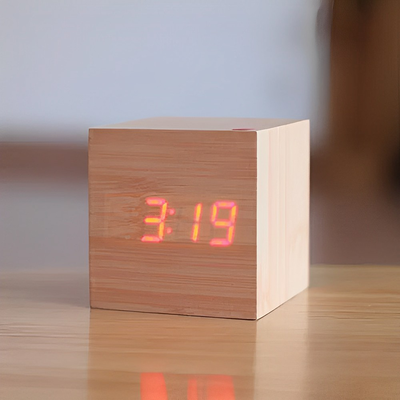
HomeDecorAndMore LLC Sleek & Stylish Wooden Cube Clock Oak Orange LightLooking for a modern alarm clock that fits perfectly with the aesthetic of your room decor Say hello to our digital clock that offers a sleek and contemporary design, taking you out of the 19thcentury and into the 21st! This clock combines...28,97 $*Shipping: 0,00 $Secure redirect to the provider
-
Sagebrook Home Ceramic Vase, Versatile Home Accents for Stylish DecorSimplicity never goes out of style! Add this pretty and stylish vase to any home or office for a trendy, easy style upgrade. This particular vase comes in a unique grooved design in a solid color.44,23 $*Shipping: 0,00 $Secure redirect to the provider



-
Is this a hydrogen bond between glycerol and water?
Yes, it is possible for a hydrogen bond to form between glycerol and water. Glycerol contains hydroxyl groups (-OH) which can act as hydrogen bond donors, and water contains hydrogen atoms that can act as hydrogen bond acceptors. When glycerol and water are in close proximity, the hydrogen atoms of water can form hydrogen bonds with the hydroxyl groups of glycerol, resulting in a hydrogen bond between the two molecules. **
-
Is the reaction with glycerol always with 3 fatty acids?
No, the reaction with glycerol does not always involve 3 fatty acids. Glycerol can react with a variety of compounds to form different types of molecules, not just triglycerides. For example, glycerol can react with just one fatty acid to form a monoglyceride, or with two fatty acids to form a diglyceride. The specific reaction and resulting product depend on the conditions and reactants involved. **
-
What is the result of the chemistry experiment with glycerol?
The result of the chemistry experiment with glycerol depends on the specific conditions and reactions involved. Glycerol is a versatile compound that can undergo various chemical reactions, such as esterification to form glycerides or dehydration to form acrolein. The outcome could be the production of different compounds or products, depending on the reactants and catalysts used in the experiment. Overall, the result of the experiment with glycerol can vary widely based on the specific reaction conditions. **
-
What happens during an explosion of ammonium nitrate and glycerol trinitrate?
During an explosion of ammonium nitrate and glycerol trinitrate, the chemical compounds rapidly decompose and release a large amount of energy in the form of heat and gas. This rapid release of energy causes a sudden increase in pressure, leading to an explosive shock wave. The explosion also produces a significant amount of toxic gases and can result in a large release of heat, causing fires and potential secondary explosions. Overall, the combination of these two compounds creates a highly destructive and dangerous explosion. **

Fat is known to consist of glycerol and fatty acids, with glycerol being polar and fatty acids being nonpolar. Why then are fats not soluble in water?
Fats are not soluble in water because water is a polar molecule, and fats are nonpolar. The polar nature of water causes it to form hydrogen bonds with other polar molecules, but it cannot form hydrogen bonds with nonpolar molecules like fats. This makes it difficult for water to effectively break apart the bonds holding the glycerol and fatty acids together in fats, preventing them from dissolving in water. **
How do two citric acid molecules react with one glycerol molecule in a condensation reaction?
In a condensation reaction, two citric acid molecules react with one glycerol molecule to form a triester. The hydroxyl groups (-OH) on the citric acid molecules and the glycerol molecule undergo a dehydration reaction, where a water molecule is eliminated, and the remaining oxygen atoms form ester bonds with the carbon atoms. This results in the formation of a triester molecule, with three ester linkages between the citric acid and glycerol molecules. This reaction is important in the formation of lipids and plays a role in the production of biodiesel. **
Top-Angebote
Products related to Glycerol:
-
GDFStudio - Emma Sleek Modern 4-Drawer Black Dresser with Handle-Free Design for Versatile StorageContemporary Minimalist Style: This 4-drawer dresser features a clean, handle-free design paired with a rich black finish that adds a sophisticated and streamlined look to any room.202,99 $*Shipping: 0,00 $Secure redirect to the provider
-
Sagebrook Home "Metal Modern Glam Bowl Sleek Curved Design Stylish Sculptural Form - 20.0"""This modern glam metal bowl brings a sculptural touch to any tabletop decoration, this metal bowl comes in gold, ivory and tan providing thoughtful decorative use making it an effortless accent for a living room, kitchen, or dining room table.119,26 $*Shipping: 0,00 $Secure redirect to the provider
-
HomeDecorAndMore LLC Sleek & Stylish Wooden Cube Clock Oak Orange LightLooking for a modern alarm clock that fits perfectly with the aesthetic of your room decor Say hello to our digital clock that offers a sleek and contemporary design, taking you out of the 19thcentury and into the 21st! This clock combines...28,97 $*Shipping: 0,00 $Secure redirect to the provider
-
Why does glycerol not denature proteins?
Glycerol does not denature proteins because it is a non-polar, neutral molecule that does not disrupt the hydrogen bonding and hydrophobic interactions that maintain the protein's structure. Glycerol can form hydrogen bonds with water molecules, but it does not interfere with the hydrogen bonds within the protein. Additionally, glycerol can help stabilize proteins by reducing the effects of temperature and pH changes, making it a useful additive for protein storage and preservation. Overall, glycerol's chemical properties make it a suitable substance for maintaining the stability and structure of proteins. **
-
What is the reaction of citric acid and glycerol?
The reaction of citric acid and glycerol forms a mixture of esters known as triacetin or glycerol triacetate. This reaction is a form of esterification, where the hydroxyl groups of glycerol react with the carboxyl groups of citric acid to form ester bonds. Triacetin is commonly used as a food additive, plasticizer, and solvent due to its low volatility and high stability. **
-
Is this a hydrogen bond between glycerol and water?
Yes, it is possible for a hydrogen bond to form between glycerol and water. Glycerol contains hydroxyl groups (-OH) which can act as hydrogen bond donors, and water contains hydrogen atoms that can act as hydrogen bond acceptors. When glycerol and water are in close proximity, the hydrogen atoms of water can form hydrogen bonds with the hydroxyl groups of glycerol, resulting in a hydrogen bond between the two molecules. **
-
Is the reaction with glycerol always with 3 fatty acids?
No, the reaction with glycerol does not always involve 3 fatty acids. Glycerol can react with a variety of compounds to form different types of molecules, not just triglycerides. For example, glycerol can react with just one fatty acid to form a monoglyceride, or with two fatty acids to form a diglyceride. The specific reaction and resulting product depend on the conditions and reactants involved. **
Similar search terms for Glycerol
-
Sagebrook Home Ceramic Vase, Versatile Home Accents for Stylish DecorSimplicity never goes out of style! Add this pretty and stylish vase to any home or office for a trendy, easy style upgrade. This particular vase comes in a unique grooved design in a solid color.44,23 $*Shipping: 0,00 $Secure redirect to the provider
-
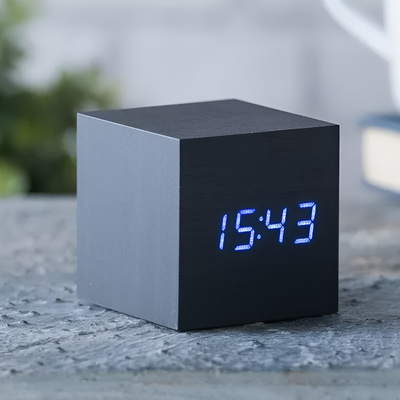
HomeDecorAndMore LLC Sleek & Stylish Wooden Cube Clock Black Blue LightLooking for a modern alarm clock that fits perfectly with the aesthetic of your room decor Say hello to our digital clock that offers a sleek and contemporary design, taking you out of the 19thcentury and into the 21st! This clock combines...28,97 $*Shipping: 0,00 $Secure redirect to the provider
-
HomeDecorAndMore LLC Sleek & Stylish Wooden Cube Clock White Blue LightLooking for a modern alarm clock that fits perfectly with the aesthetic of your room decor Say hello to our digital clock that offers a sleek and contemporary design, taking you out of the 19thcentury and into the 21st! This clock combines...28,97 $*Shipping: 0,00 $Secure redirect to the provider
-
What is the result of the chemistry experiment with glycerol?
The result of the chemistry experiment with glycerol depends on the specific conditions and reactions involved. Glycerol is a versatile compound that can undergo various chemical reactions, such as esterification to form glycerides or dehydration to form acrolein. The outcome could be the production of different compounds or products, depending on the reactants and catalysts used in the experiment. Overall, the result of the experiment with glycerol can vary widely based on the specific reaction conditions. **
-
What happens during an explosion of ammonium nitrate and glycerol trinitrate?
During an explosion of ammonium nitrate and glycerol trinitrate, the chemical compounds rapidly decompose and release a large amount of energy in the form of heat and gas. This rapid release of energy causes a sudden increase in pressure, leading to an explosive shock wave. The explosion also produces a significant amount of toxic gases and can result in a large release of heat, causing fires and potential secondary explosions. Overall, the combination of these two compounds creates a highly destructive and dangerous explosion. **
-
Fat is known to consist of glycerol and fatty acids, with glycerol being polar and fatty acids being nonpolar. Why then are fats not soluble in water?
Fats are not soluble in water because water is a polar molecule, and fats are nonpolar. The polar nature of water causes it to form hydrogen bonds with other polar molecules, but it cannot form hydrogen bonds with nonpolar molecules like fats. This makes it difficult for water to effectively break apart the bonds holding the glycerol and fatty acids together in fats, preventing them from dissolving in water. **
-
How do two citric acid molecules react with one glycerol molecule in a condensation reaction?
In a condensation reaction, two citric acid molecules react with one glycerol molecule to form a triester. The hydroxyl groups (-OH) on the citric acid molecules and the glycerol molecule undergo a dehydration reaction, where a water molecule is eliminated, and the remaining oxygen atoms form ester bonds with the carbon atoms. This results in the formation of a triester molecule, with three ester linkages between the citric acid and glycerol molecules. This reaction is important in the formation of lipids and plays a role in the production of biodiesel. **
* All prices are inclusive of VAT and, if applicable, plus shipping costs. The offer information is based on the details provided by the respective shop and is updated through automated processes. Real-time updates do not occur, so deviations can occur in individual cases. ** Note: Parts of this content were created by AI.